Published
The Ritz · Raleigh, North Carolina · September 15, 2026
With Dark Chapel and Zakk Sabbath, Zakk Wylde delivered a night that connected generations of metal fans through crushing guitars, Ozzy Osbourne’s legacy and the enduring spirit of the Black Label family.
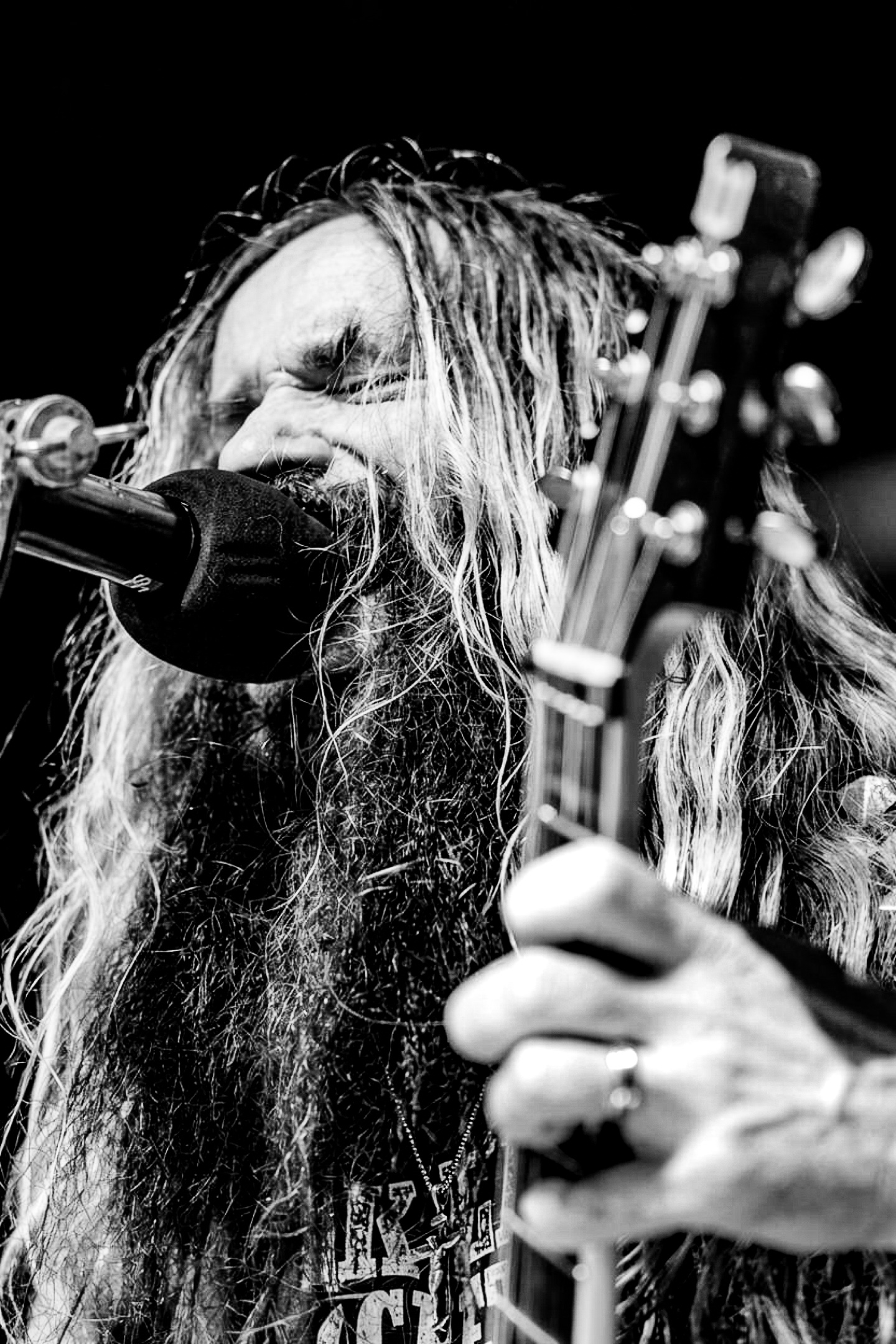
Photography by Jonathan J. Hall
Photo galleries: Black Label Society · Zakk Sabbath
The jackets told the story before the first guitar ever rang out.
Faded denim. Leather worn soft by decades of concerts. Patches stitched onto the backs of battle vests, each one representing a band, an album, a memory or a night that somebody refused to forget.
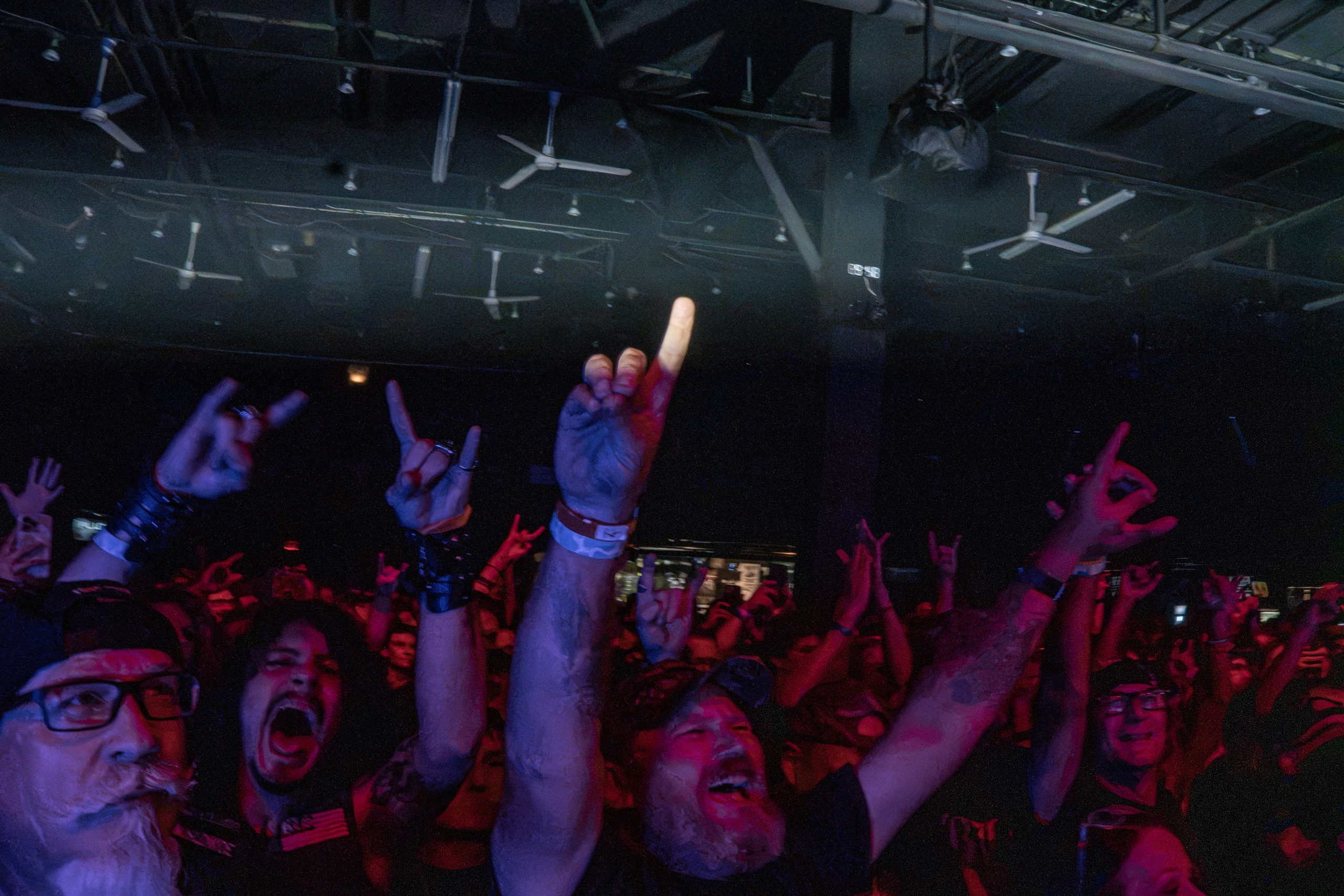
The old-school thrash crowd had come out in force. The dedicated.
Standing beside them at The Ritz in Raleigh was a younger generation, wearing its own influences and preparing to experience something that had already become a way of life for the fans who came before them.
That was the beauty of this particular evening.
Different generations. Different histories. One common language.
Heavy fucking metal.
For me, returning to The Ritz after spending some time away felt like coming home. I’ve photographed countless performances inside these walls, but walking back into that familiar room and seeing it filled with metalheads of every generation reminded me why this venue has always held such a special place in my heart.
And with Dark Chapel, Zakk Sabbath and Black Label Society sharing the bill, the night promised something more substantial than a conventional rock show.
It was an exploration of where heavy metal came from, where it stands today and why its sense of community refuses to disappear.
The evening began with Dark Chapel, the project led by Black Label Society guitarist Dario Lorina.
Their debut album, Spirit in the Glass, introduced a sound built around blues-soaked guitar work, sludgy grooves and melodic hard rock, giving Lorina a distinct creative outlet beyond his role alongside Zakk Wylde.
Dark Chapel provided an important contrast to the sheer weight that would follow.
Their music draws on the darker, bluesier corners of hard rock, where a riff doesn’t necessarily need to move at breakneck speed to make an impression. There is room for melody, atmosphere and the kind of guitar playing that values expression as much as technical ability.
For an audience assembled to celebrate one of metal’s most recognizable guitarists, it was a fitting introduction.
Lorina’s presence also gave the lineup an interesting sense of continuity. The guitarist would return later with Black Label Society, but Dark Chapel offered the audience a chance to experience another side of his musicianship first.
The evening was only beginning, and already the message was clear.
The guitar would remain at the center of everything.
Before Black Label Society could take the stage, Zakk Wylde had another obligation.
Paying tribute to the music that helped create heavy metal itself.
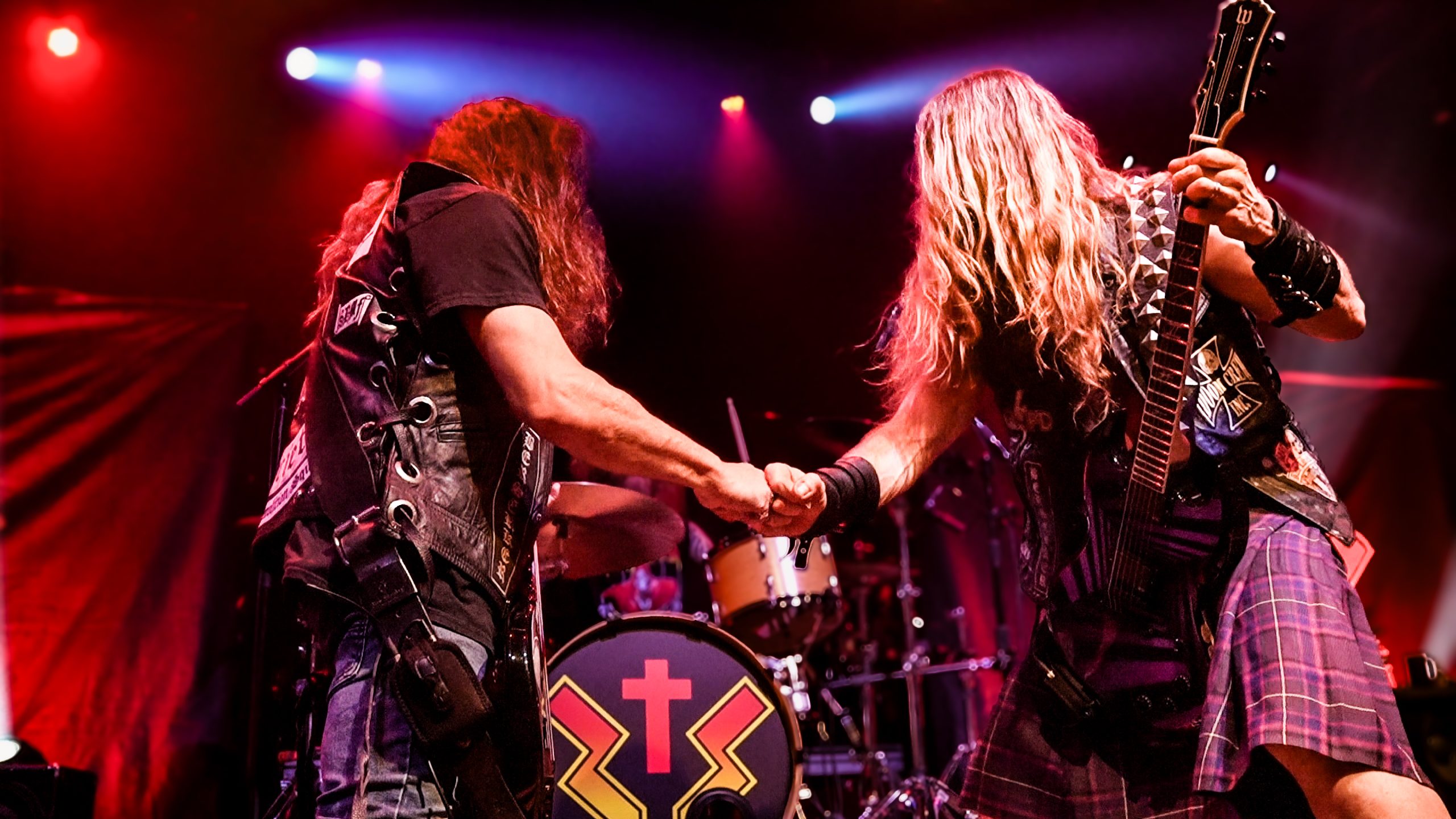
Zakk Sabbath, Wylde’s Black Sabbath tribute project, transformed the middle portion of the evening into a celebration of the genre’s foundations.
The Raleigh set included “Children of the Grave,” “Snowblind,” “Fairies Wear Boots,” “N.I.B.” and “War Pigs.”
These weren’t simply familiar songs inserted into a supporting set.
They represented the blueprint. The fucking foundation of the music we idolize, respect and cherish.
The ominous riffs. The crawling rhythms. The darkness and tension that gave an entire genre its identity.
Wylde’s connection to that history runs particularly deep. As Ozzy Osbourne’s longtime guitarist, he occupies a unique position between the music Black Sabbath created and the generations of musicians who followed in its wake.
Watching him take on Sabbath’s material offered a reminder that heavy metal has always been a conversation between generations.
The younger fans were hearing songs that helped establish the genre. The older crowd was reconnecting with music that had accompanied them through much of their lives.
And there was Zakk Wylde, standing at the intersection of both.

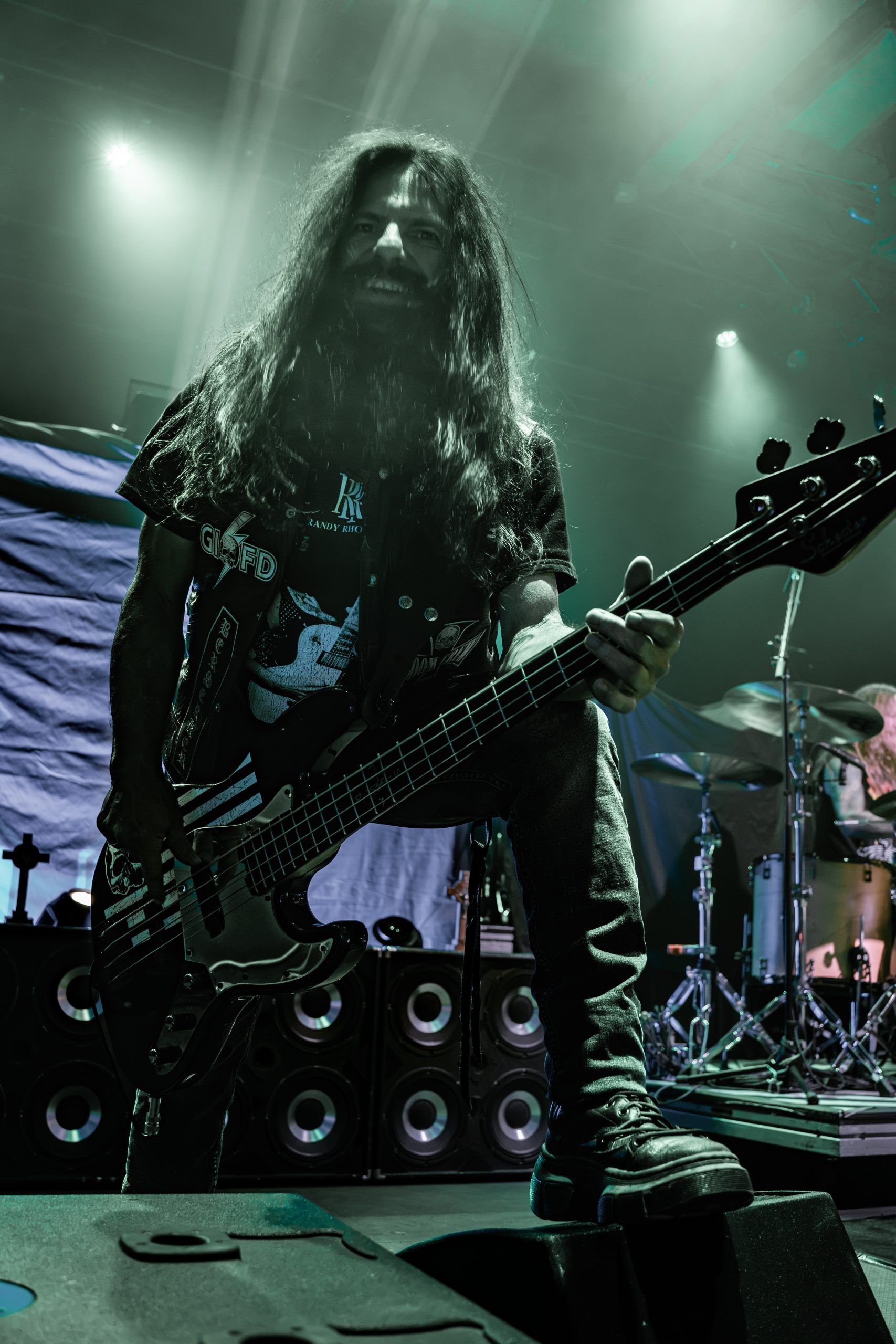
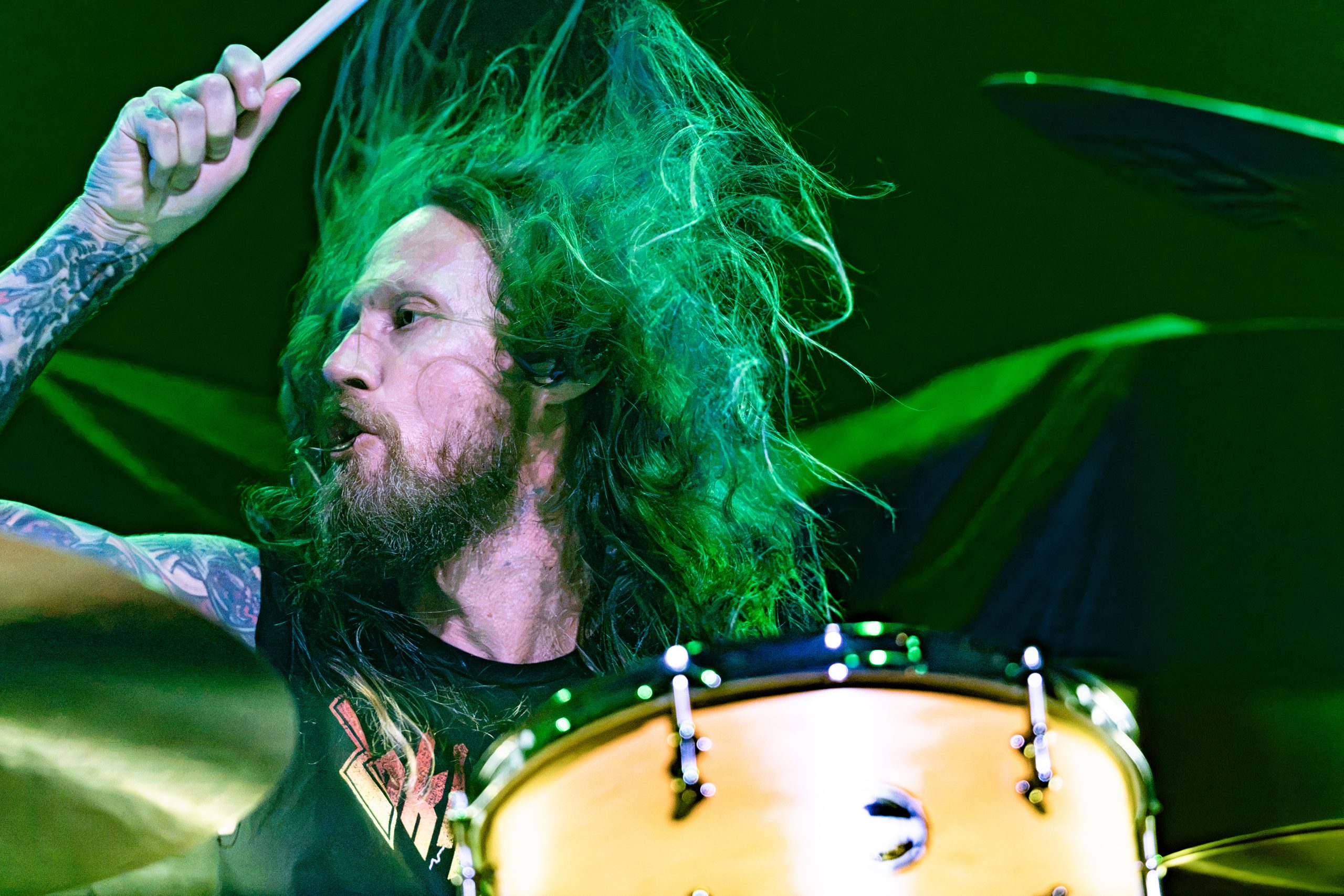
By the time Zakk Sabbath finished, the atmosphere inside The Ritz had shifted.
The room was ready for the Black Label family.
Founded by Zakk Wylde in 1998, Black Label Society has spent more than 25 years building a musical identity around enormous guitar riffs, blues-influenced solos and songs that balance aggression with vulnerability.
Their 2026 album, Engines of Demolition, continues that tradition, exploring themes of grief, brotherhood and resilience while maintaining the band’s unmistakable sound.
However, Black Label Society has always represented something beyond its recordings.
There is an identity attached to this band.
A sense of belonging.
You could see it throughout The Ritz.
The familiar Black Label insignias. The battle jackets. The older fans standing beside younger ones. The collective anticipation of a room that knew exactly what it had come to experience.
When Black Label Society finally took the stage, the evening’s earlier celebration of metal history gave way to something immediate and visceral.
The band opened with “Funeral Bell,” launching into a set that drew from multiple eras of its catalog while incorporating material from Engines of Demolition.
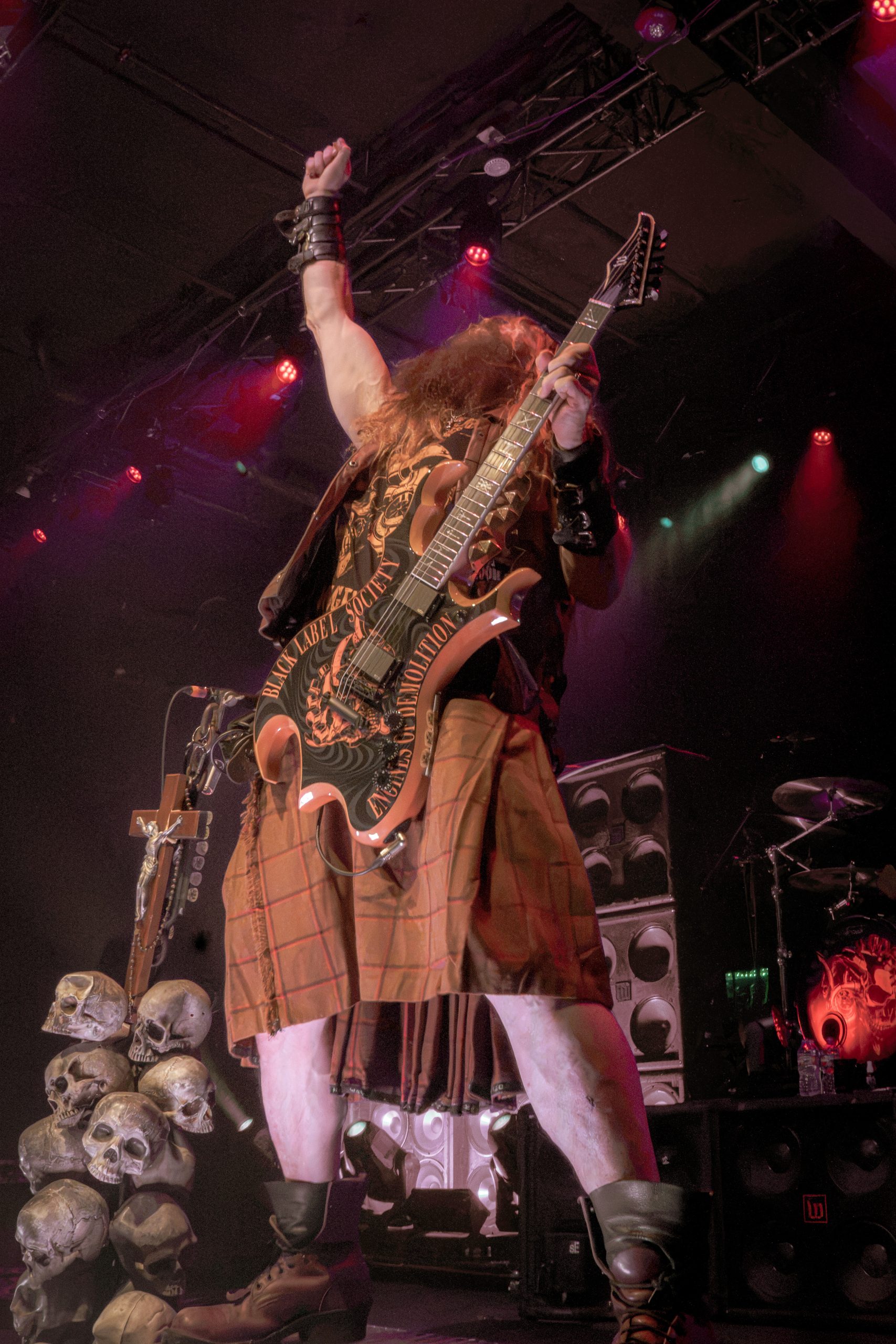
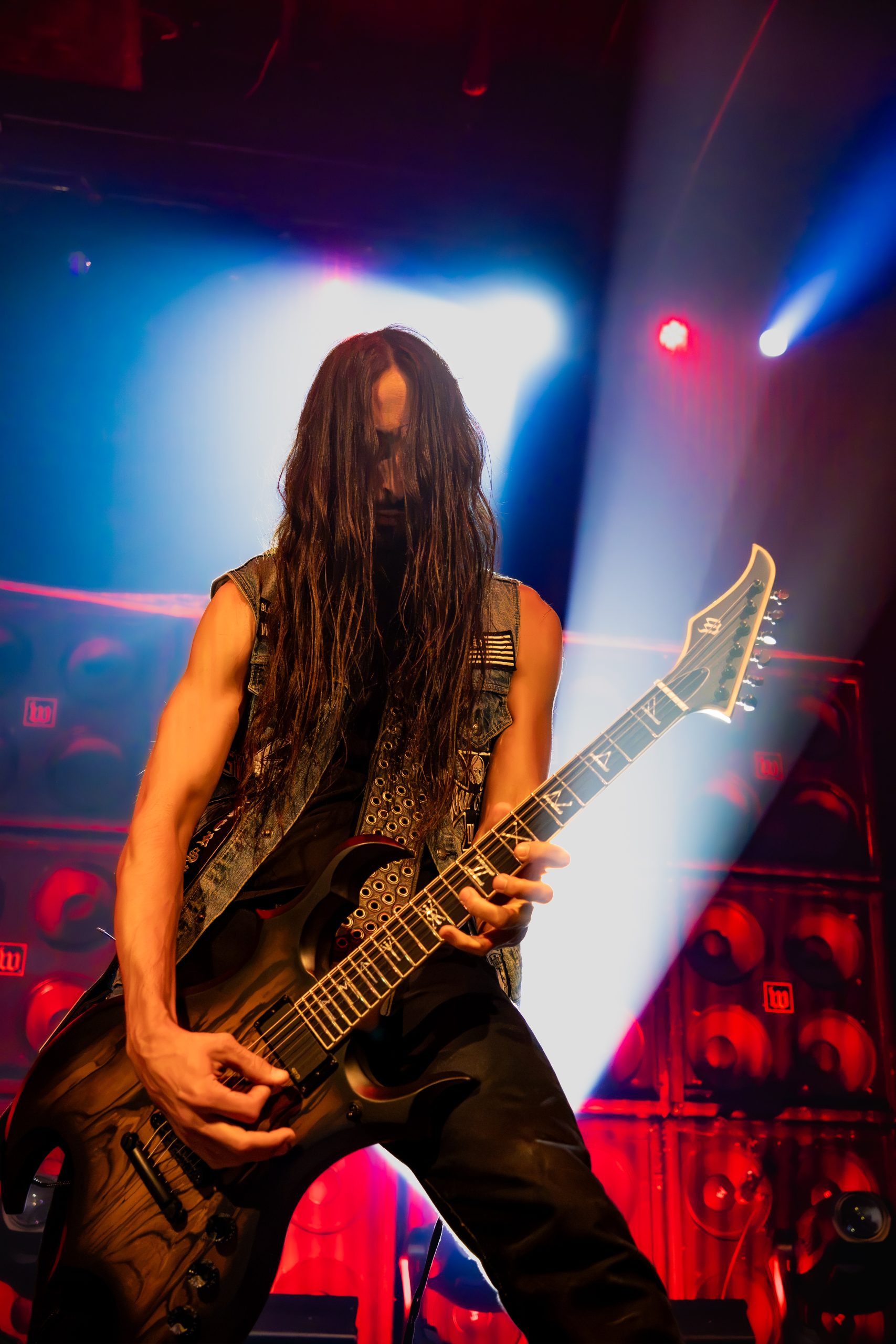
Wylde’s guitar playing remains the gravitational center of the band’s sound.
His signature vibrato can make a single sustained note feel enormous. His pinch harmonics cut through the music with an almost vocal quality, while the band’s rhythm section provides the foundation that allows those moments to breathe.
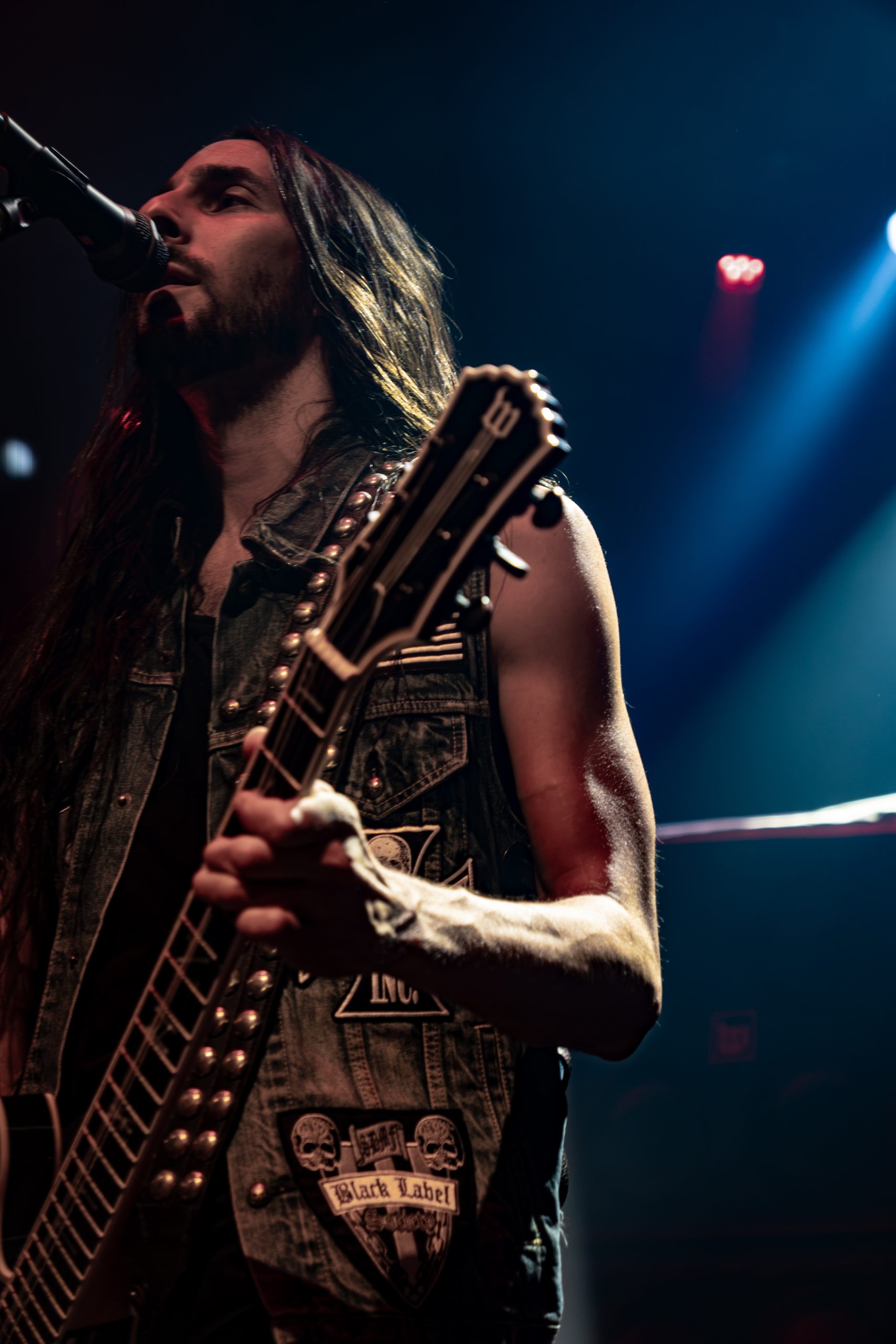
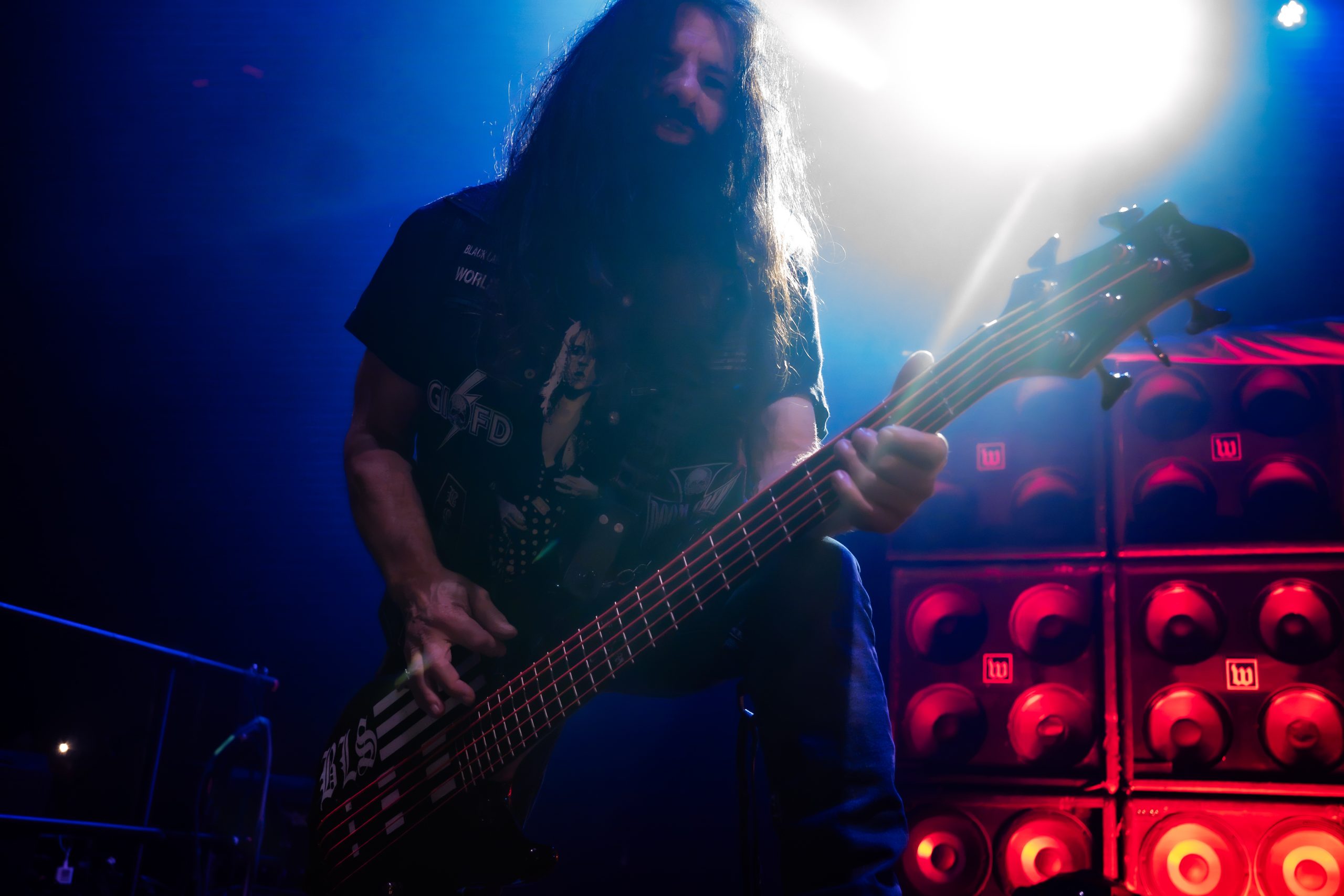
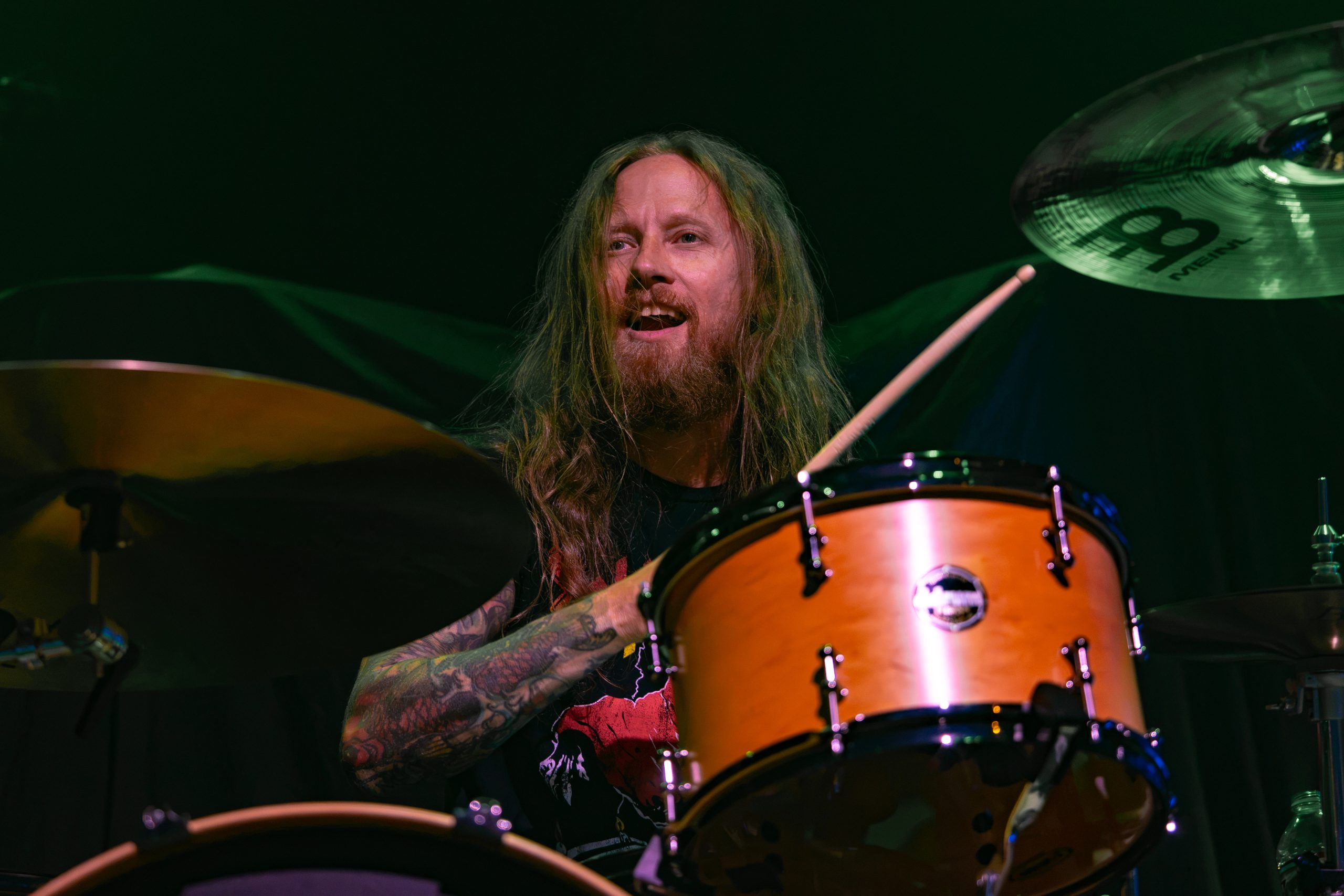
Alongside Wylde, guitarist Dario Lorina, bassist John DeServio and drummer Jeff Fabb form the current Black Label Society lineup.
The result is music that doesn’t rely solely on speed or technical excess to establish its power.
It relies on weight.
On groove.
On the emotional force behind the notes.
And inside The Ritz, that combination felt enormous.
The set moved between established Black Label favorites and newer material, with “Name in Blood,” “Destroy & Conquer,” “A Love Unreal” and “Heart of Darkness” appearing early in the performance.
Later came “The Blessed Hellride,” “Set You Free,” “Fire It Up” and “Suicide Messiah,” before the band closed with “Stillborn.”
For longtime followers, these songs represent different chapters of a band that has remained remarkably committed to its musical identity.
For younger fans, they offered an opportunity to experience that catalog in the environment where it makes the most sense: loud, immediate and surrounded by people who understand it.
That generational connection became one of the night’s defining qualities.
The older crowd wasn’t simply revisiting its past.
And the younger audience wasn’t merely borrowing someone else’s nostalgia.
They were sharing the same experience in real time.
The music had brought them into the same room, and the differences between them seemed far less important than the bond they shared.
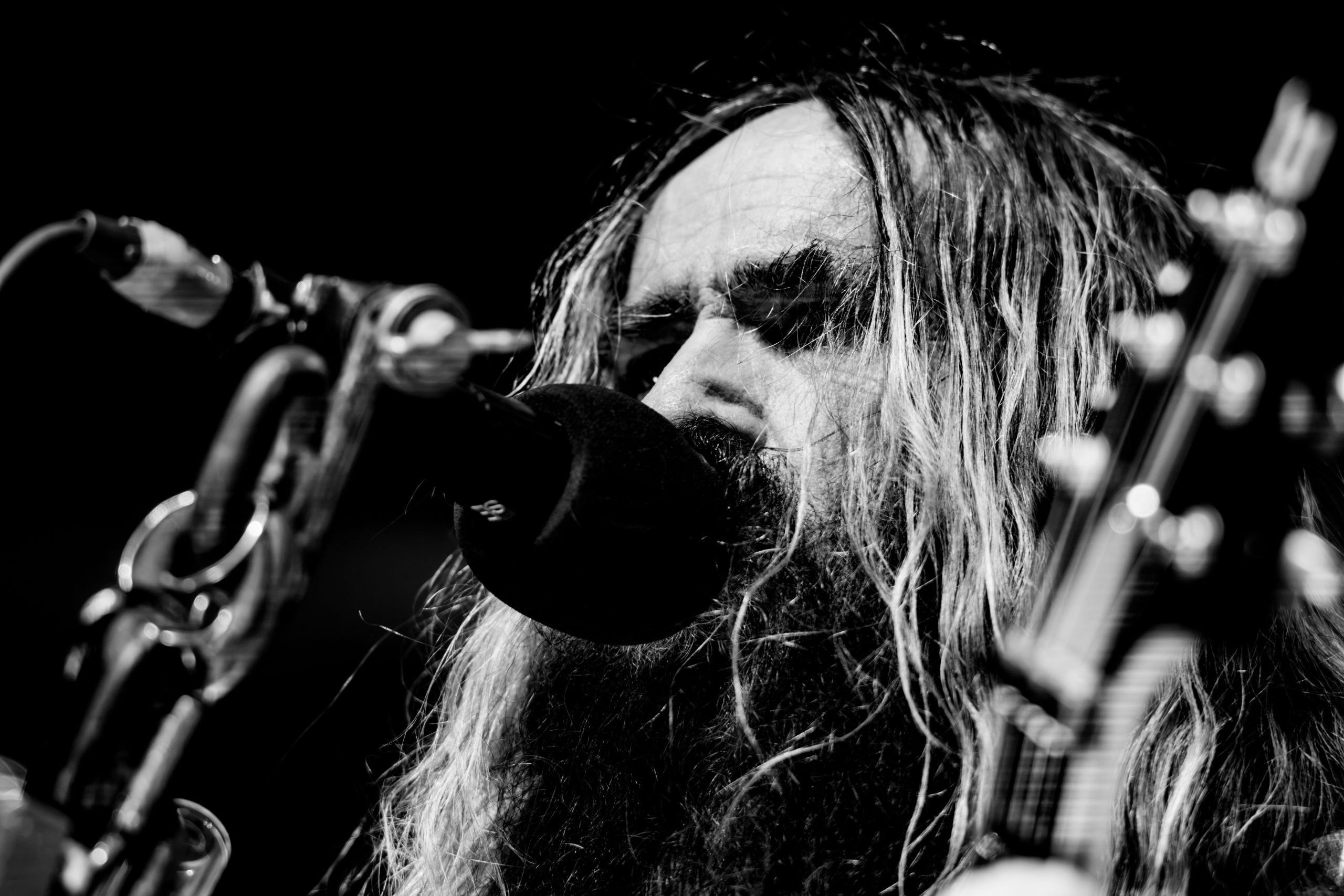
For all the force Black Label Society brings to the stage, some of the band’s most affecting moments emerge when that heaviness gives way to vulnerability.
“In This River” provided one such moment in Raleigh’s set.
The song has become closely associated with Wylde’s late friend and fellow guitarist Dimebag Darrell, giving it an emotional significance that extends beyond the recording itself.
In the context of an evening filled with battle jackets, brotherhood and the history of heavy metal, its inclusion carried particular meaning.
Because behind every patch on those jackets is a story.
Behind every band logo is a memory.
And behind the aggressive exterior of this music are people who have experienced loss, found friendship and carried one another through difficult chapters of their lives.
Black Label Society understands that relationship between heaviness and heart.
The music can be a release for anger, but it can also provide a place for grief.
It can be loud enough to shake a room and personal enough to bring someone back to a memory they thought they’d forgotten.
That emotional duality is essential to understanding the band’s lasting connection with its audience.
The evening also carried the unmistakable presence of Ozzy Osbourne’s musical legacy.
Following Zakk Sabbath’s earlier tribute to Black Sabbath, Black Label Society’s set included a partial performance of “No More Tears” and the newer composition “Ozzy’s Song.”
Wylde’s history with Osbourne is inseparable from his own career, and hearing that musical connection acknowledged across both performances gave the evening a sense of continuity.
From the foundations of Black Sabbath to the guitar work that helped define Ozzy’s solo career, and finally to the unmistakable identity of Black Label Society, the night’s music traced a remarkable path through heavy metal history.
It wasn’t necessary to have witnessed every chapter firsthand to understand its significance.
The music spoke for itself.
As a concert photographer, I spend much of a performance concentrating on details.
The movement of a musician across the stage. The split second when the lighting catches a face. The moment a guitarist leans into a solo and everything seems to align inside the frame.
But returning to The Ritz, this time within the crowd rather than behind the barricade shooting stills, gave me a different perspective.
I looked out at those old-school jackets.
I saw younger fans experiencing Black Label Society’s music with the same enthusiasm as the people who had been following the band for decades.
And I thought about how extraordinary it is that music can create that kind of connection.
This wasn’t a crowd divided by age.
It was a room united by something that had survived changing trends, generations and decades.
From my position in the crowd, I had the privilege of documenting a small piece of that story.
Black Label Society was performing inside my favorite venue.
And beside me stood generations of fans who had all found something worth holding on to in this music.
There are moments in concert photography when the significance of where you’re standing becomes impossible to ignore.
This was one of them.
By the time “Stillborn” brought the performance to its conclusion, Black Label Society had delivered a set that connected its past and present without abandoning the musical identity that brought its audience together in the first place.
Dark Chapel had introduced a different dimension of guitar-driven heavy music.
Zakk Sabbath had taken the audience back to the genre’s foundations.
And Black Label Society had brought those influences together beneath its own banner of riffs, resilience and brotherhood.
But the most compelling image of the evening wasn’t confined to the stage.
It was the crowd.
The faded jackets. The carefully sewn patches. The younger fans standing shoulder to shoulder with people who had been attending metal shows long before they were born.
For one night at The Ritz, the distance between those generations disappeared.
The music belonged to all of them.
And as the final notes faded, one thing was unmistakable.
The jackets may grow older. The faces may change. But the brotherhood of heavy fucking metal remains.
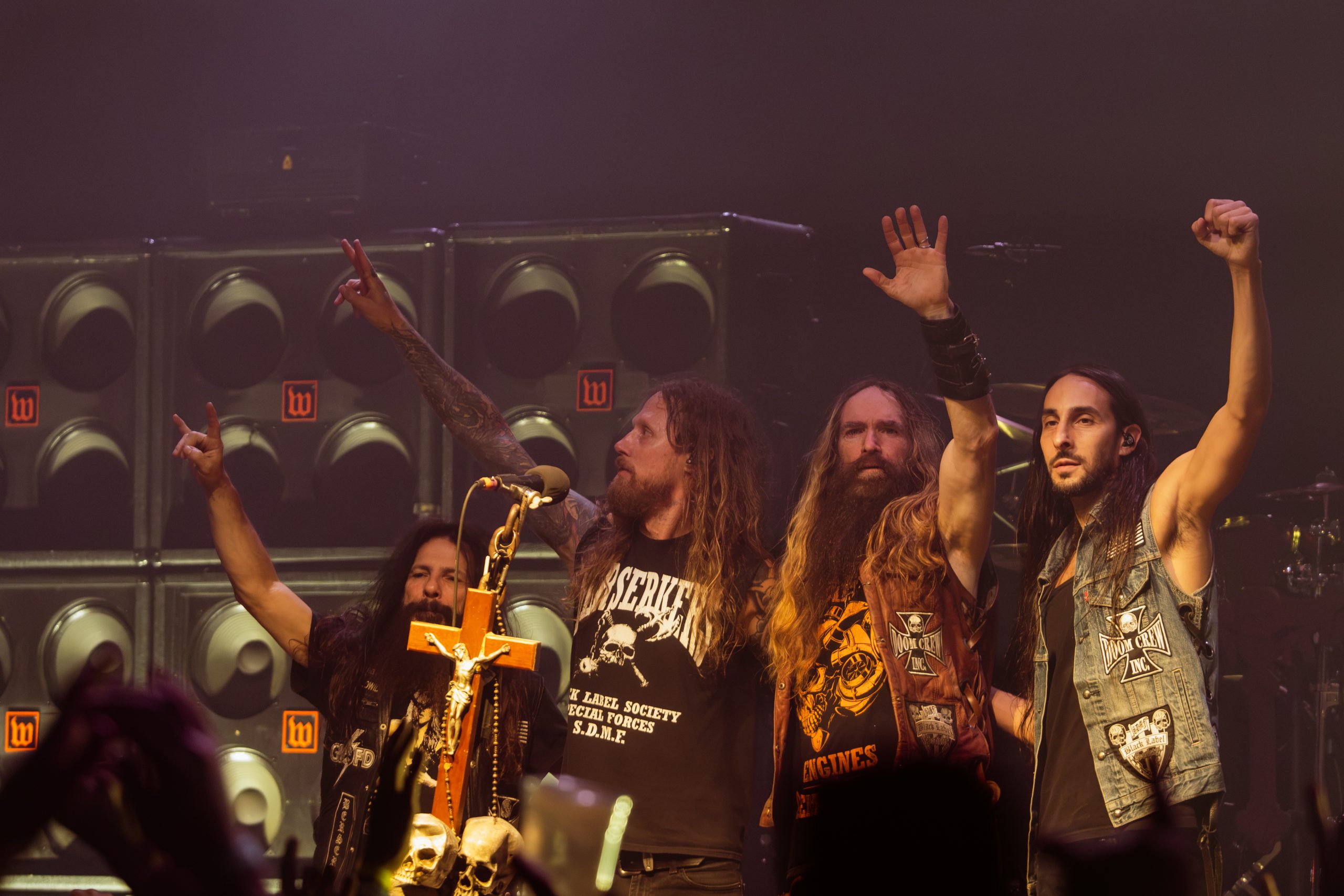
Photographs from the night
Black Label Society gallery · Zakk Sabbath gallery